PAKISTAN PULSE
Connecting to Pakistan weather and air quality…
Explore data ↗
CESGOB, Climate ESG Observatory (Pvt) Limited
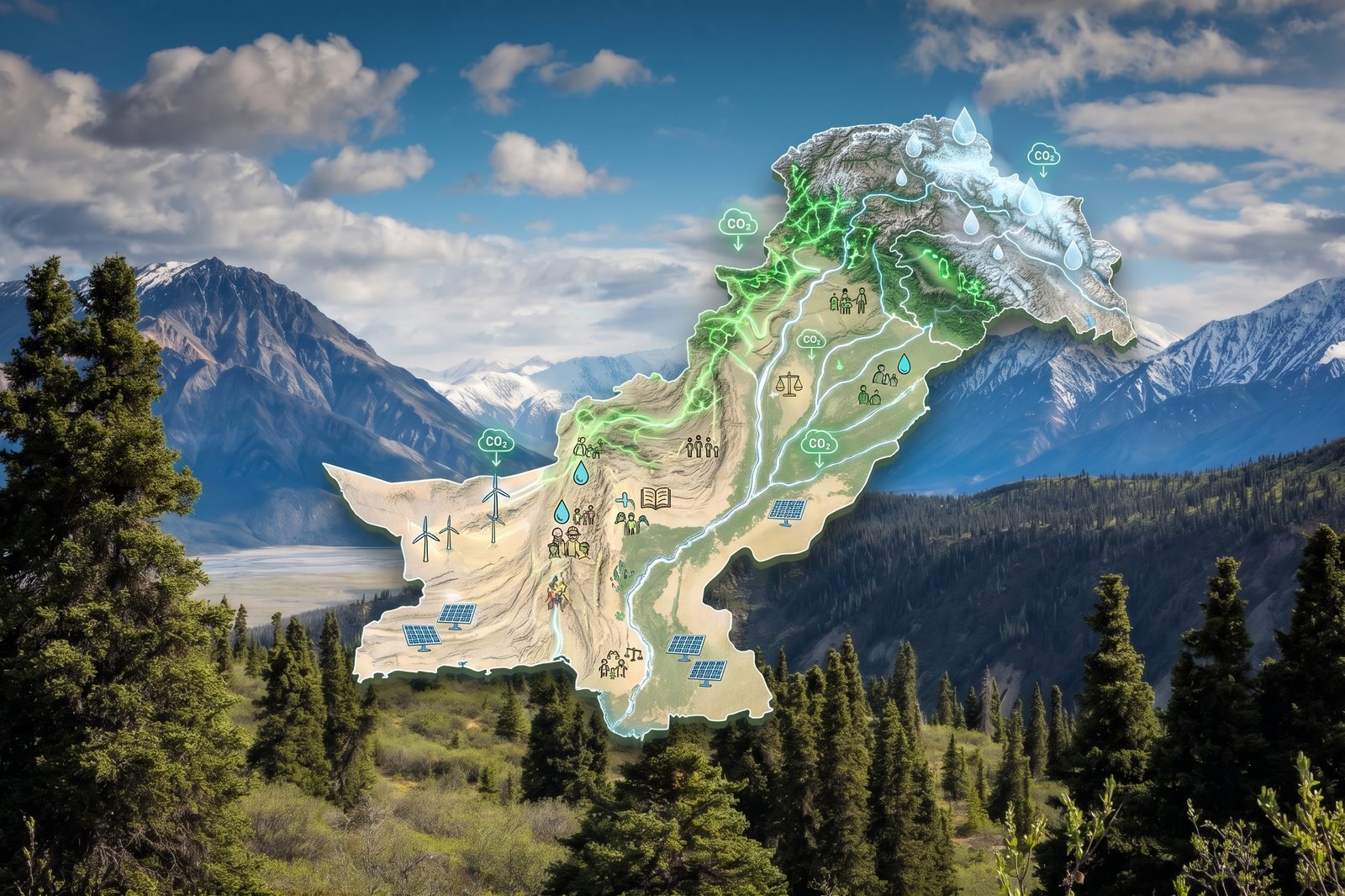
Mountain peaks above a forested valley
PAKISTAN FOCUS. GLOBAL PERSPECTIVE.

Climate intelligence.
Informed action.

Connecting climate science, ESG and sustainable finance to help Pakistan build a more resilient future.

CLIMATE ESG OBSERVATORY (PVT) LIMITEDSCIENCE → STRATEGY → IMPACTSCROLL TO DISCOVER ↓
GLOBAL FRAMEWORKS. LOCAL CONTEXT.IFRS S1 / S2GRIGHG ProtocolPCAFUN SDGsOur approach ↗
01 / THE OBSERVATORY

Better evidence.
Better decisions.

Pakistan’s climate challenges demand insight that leads to action.

CESGOB brings together climate intelligence, ESG research and practical advisory. We help businesses, financial institutions and public-sector organizations translate sustainability priorities into decisions, disclosures and resilience.

Build your next chapter with us ↗
OUR MANAGEMENT

Experience that informs.
Leadership that delivers.

Meet the leadership behind CESGOB, bringing together risk strategy, financial discipline and institutional experience.

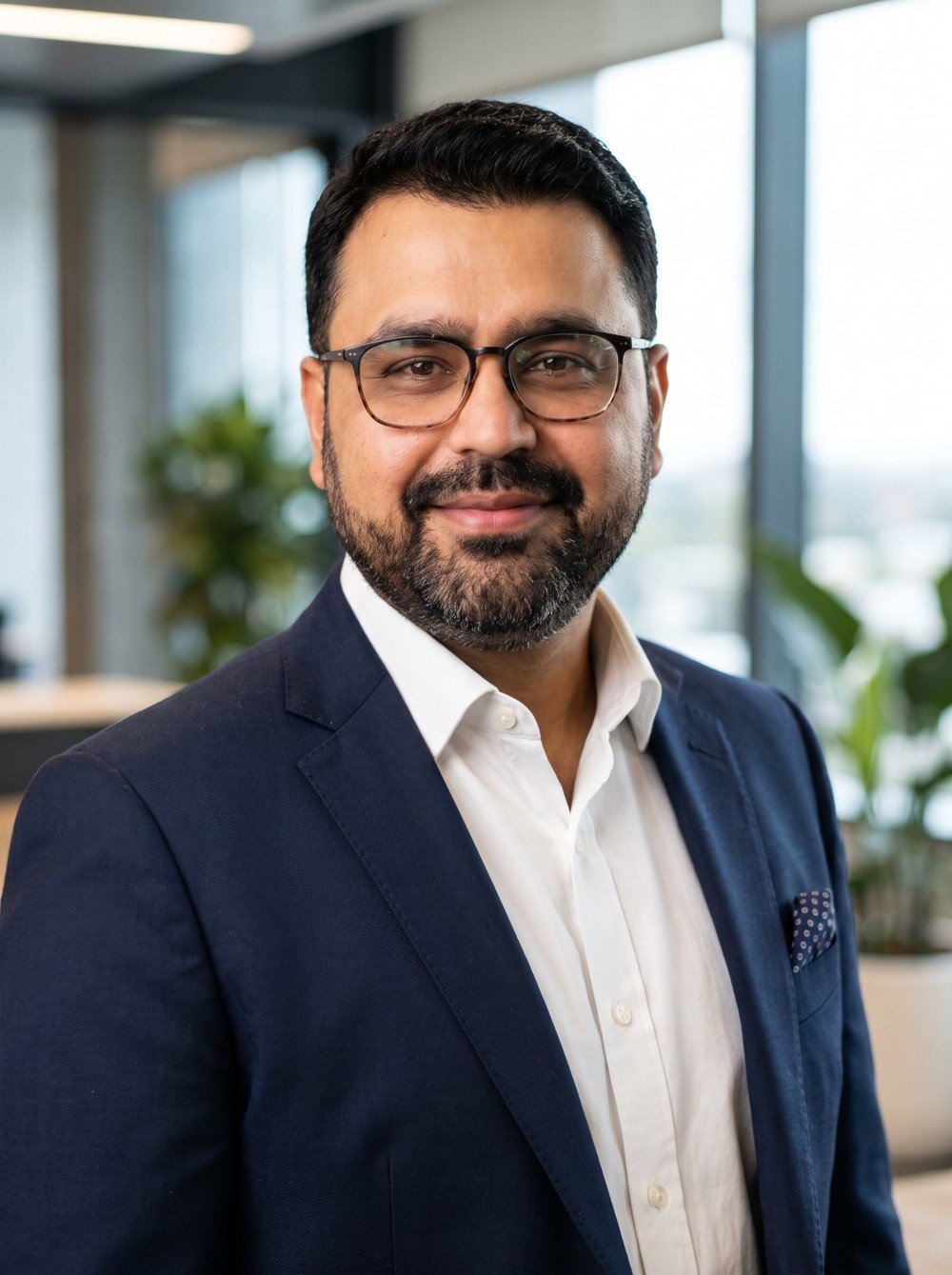
Dr. Raza Ali, Founder and CEO
FOUNDER AND CEO

Dr. Raza Ali

Dr. Raza Ali is a risk management leader and finance researcher with more than 15 years of experience across banking, project finance and digital finance. He holds a PhD in Finance from SZABIST University, with a specialization in risk management.

His expertise spans enterprise risk management, credit risk, stress testing, scenario analysis and risk governance. At CESGOB, he leads the company’s vision and strategy, connecting financial-sector experience with its climate and ESG priorities.

Risk strategyFinance & researchExecutive learning
Explore professional background +

Banking and advisory

His career includes senior credit and corporate risk roles at Faysal Bank and ICBC Pakistan, alongside experience at Bank AL Habib, First Women Bank, Meezan Bank and MCB Bank. He is also Founder and CEO of TAMEEN Risk Advisors.

Research and teaching

His published research examines credit risk, bank performance and resilience in Pakistan. His teaching experience includes finance courses at SMIU, IoBM, DHA Suffa University and SZABIST University.

Professional development

His profile includes the LUMS Leadership Development Program, Junior Associateship of the Institute of Bankers Pakistan, and training in fintech risk management and Islamic banking.
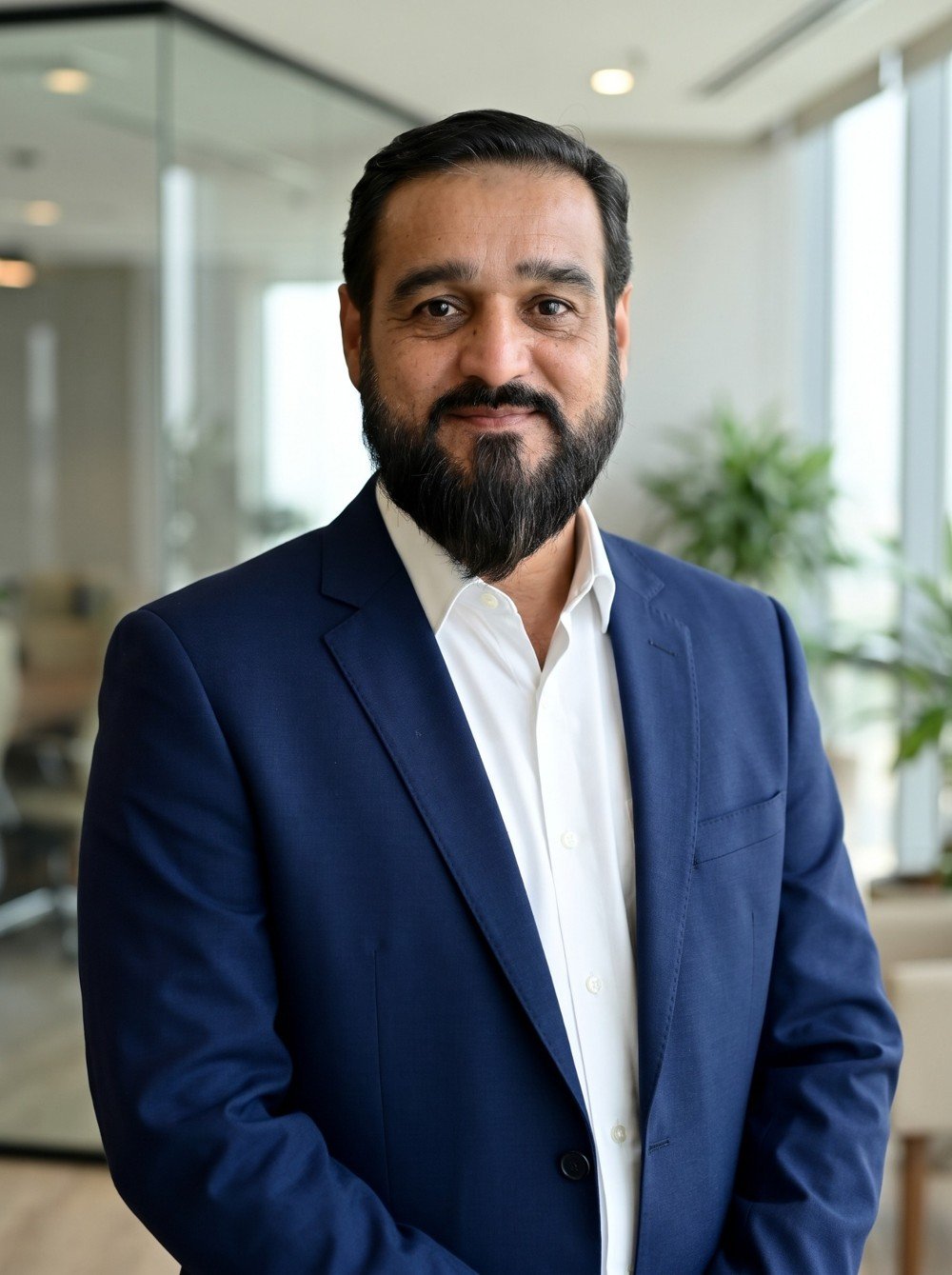
Mr. Syed Zaheer Abbas Naqvi, Director
DIRECTOR

Mr. Syed Zaheer Abbas Naqvi

Mr. Syed Zaheer Abbas Naqvi is a commerce graduate with more than 23 years of professional experience in accounts, finance, administration, human resource management and organizational operations.

His expertise includes financial management, budgeting, planning and control, stakeholder relationships, procurement and logistics. He brings financial discipline, systems development and operational experience to his role as Director at CESGOB.

Financial managementInstitutional operationsSystems & controls
Explore professional background +

Finance and organizational leadership

His professional background includes finance, administration and HR leadership at Darya Lab and Climate Action Centre, Karachi, as well as a long tenure in finance and administration at Pakistan Fisherfolk Forum.

Operational expertise

His experience covers donor-funded project financial reporting, compliance, contracts, asset and utility management, procurement, logistics, HR management and performance evaluation. He has developed systems and improved processes to support organizational objectives.

Education

He holds a Bachelor of Commerce (B.Com.) from the University of Karachi.

02 / PAKISTAN CLIMATE PULSE

A changing climate.
A clearer picture.

Explore current temperature and modelled air quality across Pakistan’s major cities. Refreshed every 15 minutes.

CITY MONITOR
Karachi

Connecting to data source

24.86° N / 67.01° E
TEMPERATURE—°C

Current model estimate

US AIR QUALITY INDEX—

Awaiting data

Good · 0–50Hazardous · 301+
PM2.5 —Humidity —Wind —

Loading weather and air quality independently…

PKCLIMATE OBSERVATION
● Islamabad● Lahore● Karachi● Quetta● Peshawar
LOCAL SIGNALS. NATIONAL PERSPECTIVE.↗
CESGOB OPEN INTELLIGENCE / NEW

Water changes.
See the evidence.

Explore Pakistan’s surface-water history through satellite-derived open data. Select a location, compare map layers and create a location brief.

FREE & OPEN DATAJRC / LANDSATHISTORY THROUGH 2024

Click the map to select a point. Coordinates use WGS84. The map’s rectangular browsing extent is not a political boundary.

Loading map library…

INDUS AT SUKKUR / 27.7000° N, 68.8500° EHistorical evidence, not a live flood map
READ THE LANDSCAPE

Where has water presence changed?

What this can tell you

Use the map to identify questions about water dependence, site access and changes in nearby water bodies. Satellite water history alone cannot establish flood probability, water availability or asset-level financial risk.

Sources, limitations & open-source credits

Source: EC JRC/Google Global Surface Water, 2024 map services. Derived from Landsat observations. Occurrence covers 1984–2024; change compares 1984–1999 with 2000–2024; seasonality represents 2024. Dataset documentation describes 30-metre source resolution. Web-map tiles are visualizations; this tool does not extract pixel values or calculate area statistics.

Clouds, missing observations, mixed pixels and seasonal sampling can affect interpretation. Transparent or blank areas do not prove the absence of water. The provider reports an issue with monthly recurrence in v1.4/v1.5; that layer is excluded here.

Data are free under Copernicus terms with attribution. Map software: Leaflet 1.9.4 (BSD-2-Clause). Terrain background: NASA GIBS Blue Marble, a static, coarse-resolution contextual layer. It does not show current ground conditions or street-level detail. External providers receive tile requests; availability is not guaranteed.

JRC data and licensing ↗ · Pekel et al. (2016) ↗ · Leaflet ↗ · NASA GIBS ↗

FROM EVIDENCE TO QUESTIONS

Your location brief

Downloads a self-contained HTML brief. Open it to print or save as PDF. Includes coordinates, layer period, sources, limits and questions for follow-up. Inputs stay in your browser.

PAKISTAN ESG MONITOR / OPEN DATA

The bigger picture.
Grounded in data.

Explore Pakistan’s environmental, social and governance context using the World Bank’s sovereign ESG dataset. Free to explore, compare and download.

Loading the verified World Bank snapshot…

EXPLORE THE TREND

Pakistan historical series

Pakistan only. Annual published observations, rounded for display. Missing years remain gaps. Read values using the data table below.

View historical data table
REGIONAL CONTEXT

Compare like with like.

Compares Pakistan, India and Bangladesh using the latest year with a published value for all three. This can differ from the latest Pakistan figure above.

View World Bank indicator ↗
Context, not a corporate ESG rating.

These are selected national indicators. They do not measure a company’s performance or form a CESGOB composite score. Pillar groupings are editorial; units and years differ. Governance estimates reflect perceptions and have uncertainty.

Sources, licensing and methodology

Source: World Bank, Environment, Social and Governance Data (source 75). Forest area originates from FAO; electricity access from the World Bank’s electrification dataset; life expectancy from UN and national statistical sources; governance estimates from the Worldwide Governance Indicators. The source API metadata is included in the downloadable data snapshot.

Latest means the latest non-missing annual observation returned within 2010–the current year, not a current-day measurement. The bundled snapshot provides data when the API is unavailable. Refresh requests go directly to the World Bank; a failed refresh preserves the labelled snapshot. No values are interpolated, missing values are not zeros, and no risk score is calculated.

Data reuse follows World Bank open-data terms, generally CC BY 4.0 with applicable source-specific terms. Attribution: World Bank and original data providers. CESGOB selects indicators, groups pillars, rounds display values and calculates same-year comparisons. No endorsement by the World Bank is implied.

Sovereign ESG portal ↗ · Data terms ↗ · Verified snapshot + metadata ↓

03 / OUR EXPERTISE

From complexity
to practical progress.

Integrated expertise for organizations navigating climate risk, disclosure expectations and the transition ahead.

Executive learning

Boardroom climate governance, ESG masterclasses and sector-specific capacity building.

Research & policy

Pakistan-focused analysis, policy dialogues, SDG localization and institutional collaboration.

Discuss your priorities ↗
04 / START WITH A QUESTION

Useful tools.
Real next steps.

Get an initial view of where you stand. These screening tools support a conversation with our team.

NEW / CESGOB ESG WORKSPACE

Put your data
to work.

Record emissions, test reduction assumptions, organise disclosure evidence and request better supplier data. Free browser tools with exportable results.

BETTER INPUTS / BETTER QUESTIONS

A supplier pack you can use.

Build environmental, social and governance questionnaires with prompts for textiles, banking, manufacturing and logistics. Download CSV or printable HTML.

Build a supplier pack ↗

Inputs stay in your browser. Save on your device or download a backup. Tools support preparation and planning; they do not certify compliance or verify supplier claims.

05 / KNOWLEDGE HUB

Context for
what comes next.

06 / CAPACITY BUILDING

Build the capability
to lead the change.

Practical learning for directors, risk teams and sustainability professionals. Bring climate and ESG into everyday decisions.

Enquire about training ↗
01Climate risk in the boardroomDIRECTORS & EXECUTIVES
02ESG disclosure readinessFINANCE & SUSTAINABILITY TEAMS
03Climate-aware credit decisionsBANKING & RISK PROFESSIONALS
OUR APPROACH

Evidence first.
Pakistan in focus.

We connect international frameworks with local institutional needs. Our work begins with a clear scope, traceable data and explicit assumptions.

01 / Transparent methods02 / Local relevance03 / Actionable outcomes

References to standards describe our areas of work. They do not imply accreditation or endorsement by the standard setters.

07 / LET’S COLLABORATE

Your next step
starts here.

Have a disclosure challenge, research question or capacity-building need? Let’s discuss it.

KARACHI / PAKISTAN

BUNGALOW NO, 236-B Shahrah-e-Qaideen,
Block 2 P.E.C.H.S., Karachi

Open directions ↗

Opens your email app with your enquiry. Nothing is stored by this form.

FIND US IN KARACHILet’s turn insight into action. ↗Map uses an address search. Confirm the entrance before visiting.